
Where Should You Position a Shepherd Hut for Rental?
Standfirst: The position of your shepherd hut can shape the guest experience, influence bookings, encourage positive reviews, and help you maximise rental revenue.
Choosing where to position a shepherd hut for rental is about more than finding a level patch of ground. The setting becomes part of the stay, from the first impression when guests arrive to the views they enjoy, the privacy they feel, and the ease with which they can use the space.
The right position should balance what guests expect with what works for your property. This guide covers the key placement considerations, how location can affect bookings and reviews, and a practical checklist to help you make a confident decision.
Key takeaway – A well-positioned shepherd hut should feel private, inviting, practical, and connected to the character of its surroundings.
Start with the guest experience
Guests usually choose a shepherd hut because they want more than a place to sleep. They are looking for an experience that feels distinct from everyday accommodation, while still offering comfort, privacy, and a sense of ease.
The position of the hut should support those expectations. Before considering the practical details, think about what a guest will see, hear, and feel from the moment they arrive. A strong location can make the stay feel intentional; a poor one can make the hut feel like an afterthought.
Guests are likely to value:
- A sense of privacy without feeling isolated or difficult to reach.
- Attractive views, natural features, or a setting that feels connected to the surrounding landscape.
- A peaceful atmosphere, with as little unnecessary noise and disturbance as possible.
- A clear and comfortable arrival experience, including straightforward access to the hut.
- Enough outdoor space to sit, relax, and enjoy the position of the accommodation.
- A layout that makes the hut feel welcoming rather than overlooked by the main property or neighbouring spaces.
Think like a guest – Stand at the proposed position and imagine arriving with luggage. Consider the first view, the route to the door, the sounds around you, and whether the outdoor space feels private and usable.
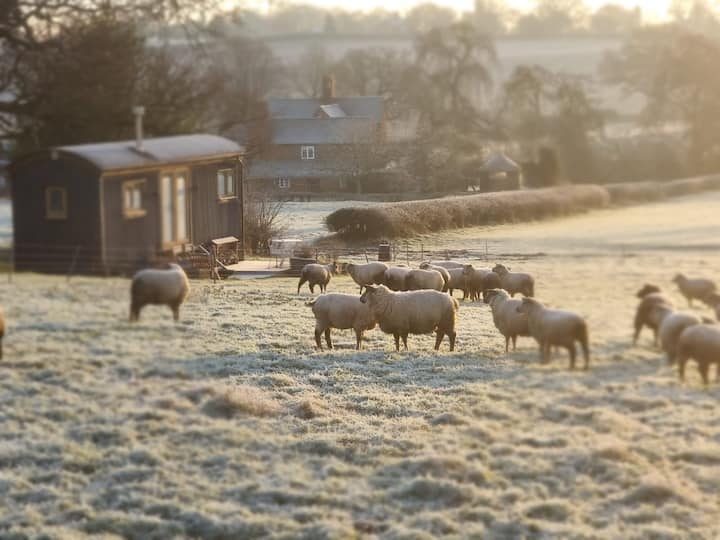
A Moorlands crafted Herdwick 25′ Shepherd hut beautifully positioned facing across a field full of sheep with windows facing away from any neighbouring buildings. Creating a private outside seating area. See what guests think of this hut here
Choose a position that balances setting and practicality
Privacy and outlook
A shepherd hut should feel private enough for guests to relax. Consider how close it is to the main house, driveways, paths, neighbouring properties, and any areas used regularly by you or other guests. Screening may help, but the position itself should do as much of the work as possible.
At the same time, avoid hiding the hut so completely that guests lose the sense of place that makes the stay appealing. A good outlook can give the accommodation a stronger identity and make the outdoor area more inviting.
Access and arrival
Guests should be able to find the hut and reach it without unnecessary difficulty. Think about the route from the entrance to the accommodation, where guests will unload, and how the approach feels in different weather conditions. Clear access also makes changeovers and routine maintenance more straightforward.
Orientation and outdoor space
Consider where doors and windows face, how guests will use the outside area, and whether the hut benefits from the available daylight. The position should allow room for seating and movement without making the outdoor space feel cramped or exposed.
Noise and activity
Listen carefully to the proposed location. Roads, machinery, shared facilities, regular footfall, and activity around the main property can all affect how peaceful the hut feels. You should also consider whether guests might be disturbed by activity that seems occasional to you but is noticeable during a short stay.
| Consideration | Question to ask |
| Privacy | Will guests feel comfortably separate from the main property and surrounding spaces? |
| Arrival | Can guests reach the hut, unload, and find the entrance easily? |
| Outlook | Does the position offer a pleasant view or a strong connection to the setting? |
| Outdoor space | Is there enough usable space for guests to sit and enjoy the location? |
| Noise | What will guests hear during the times they are most likely to be relaxing? |
How placement can affect bookings and reviews
The position of the hut will influence how you present it to potential guests. A distinctive setting can give your listing a clear focus, while a practical and attractive arrival experience can help guests feel confident about what they are booking.
When preparing your listing, describe the position accurately. Be clear about the level of privacy, the views, the access route, and the relationship between the hut and the main property. Honest expectations help guests decide whether the accommodation is right for them.
Placement can also shape the details guests mention after their stay. Reviews may reflect how peaceful the location felt, how easy it was to arrive, whether the outdoor area was enjoyable, and whether the experience matched the listing.
A well-considered position can help you:
- Create a stronger first impression when guests arrive.
- Give your listing a clear and appealing sense of place.
- Show the outdoor space and surrounding setting at their best.
- Reduce avoidable disappointment caused by unclear expectations.
- Support positive feedback about comfort, privacy, access, and atmosphere.
- Make the accommodation easier to maintain and prepare between bookings.
Keep the listing honest – Do not rely on photographs or wording to disguise a difficult approach, limited privacy, or a close relationship with the main property. Accurate expectations are an important part of a positive guest experience.
Maximising rental revenue through better positioning
Maximising rental revenue does not begin with adding more features. It begins with making sure the hut delivers a stay that guests understand, value, and want to recommend. Positioning can support that by helping the accommodation feel considered and by making its best qualities easy to communicate.
Review the position from both the guest’s perspective and the practical perspective of running a rental. A location that photographs well but creates difficult access or frequent disturbance may not support the experience you want to provide. The strongest choice is one that combines appeal, usability, and consistency.
Shepherd hut positioning checklist
Use this checklist before confirming the final position:
- The hut feels private without being difficult for guests to reach.
- The arrival route is clear, practical, and suitable for unloading luggage.
- The outlook supports the experience you want to offer.
- The outdoor space is usable, comfortable, and not unnecessarily overlooked.
- The position is away from avoidable noise and regular disruption.
- The relationship between the hut, the main property, and neighbouring spaces is clear.
- The doors, windows, and outdoor seating make good use of the position.
- The location can be described accurately in the rental listing.
- The position is practical for cleaning, maintenance, and guest changeovers.
- The overall experience is likely to match what guests expect when they book.
Final thoughts
The best position for a shepherd hut is the one that makes the stay feel private, peaceful, welcoming, and connected to its surroundings. It should work for guests from arrival through to departure, while also being practical to manage between bookings.
Take time to experience each possible position as a guest. Consider the approach, the outlook, the sounds, the privacy, and the outdoor space. When the setting supports the promise made in your listing, it can help attract suitable bookings, encourage better reviews, and contribute to stronger rental revenue.